
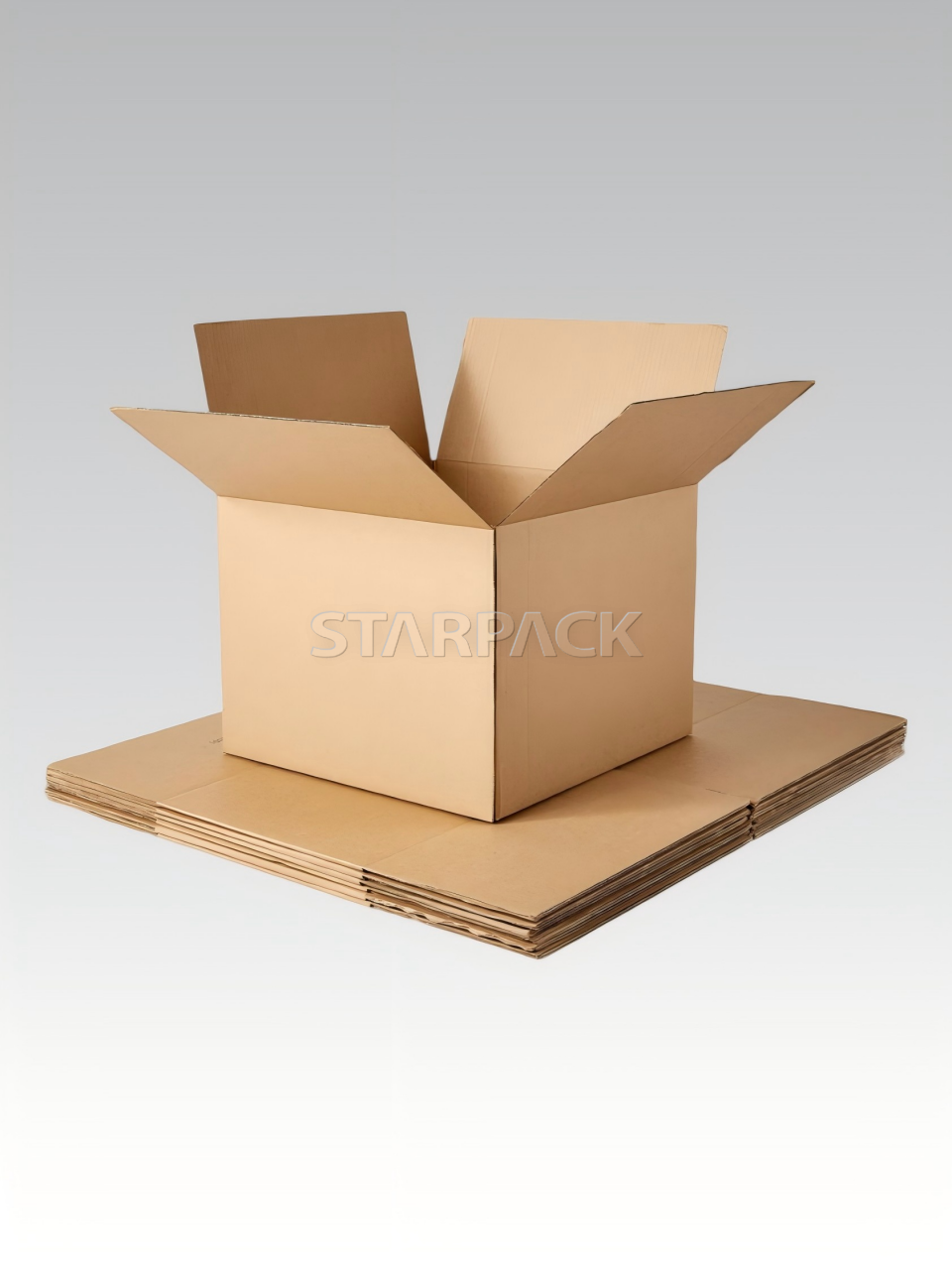
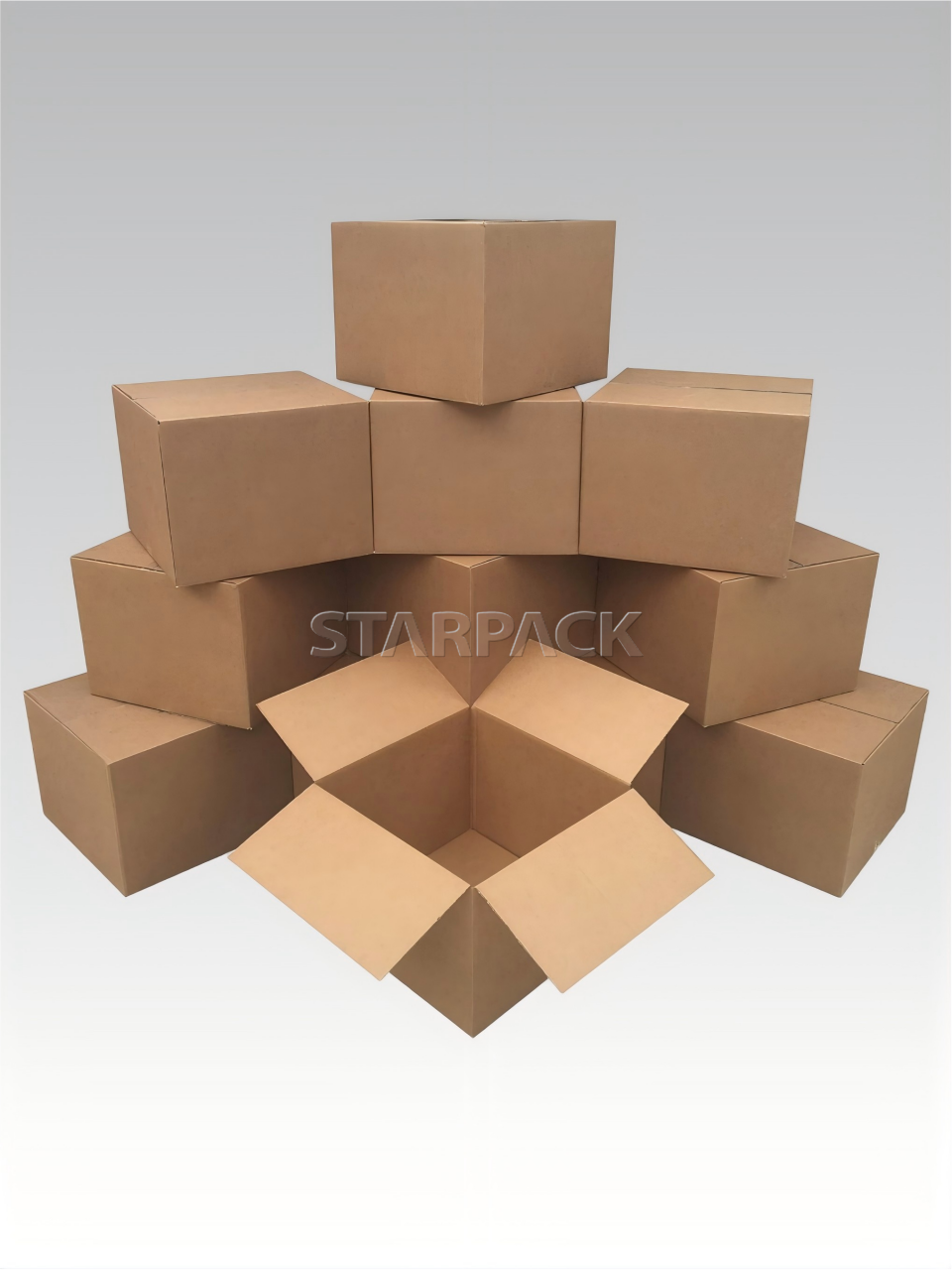

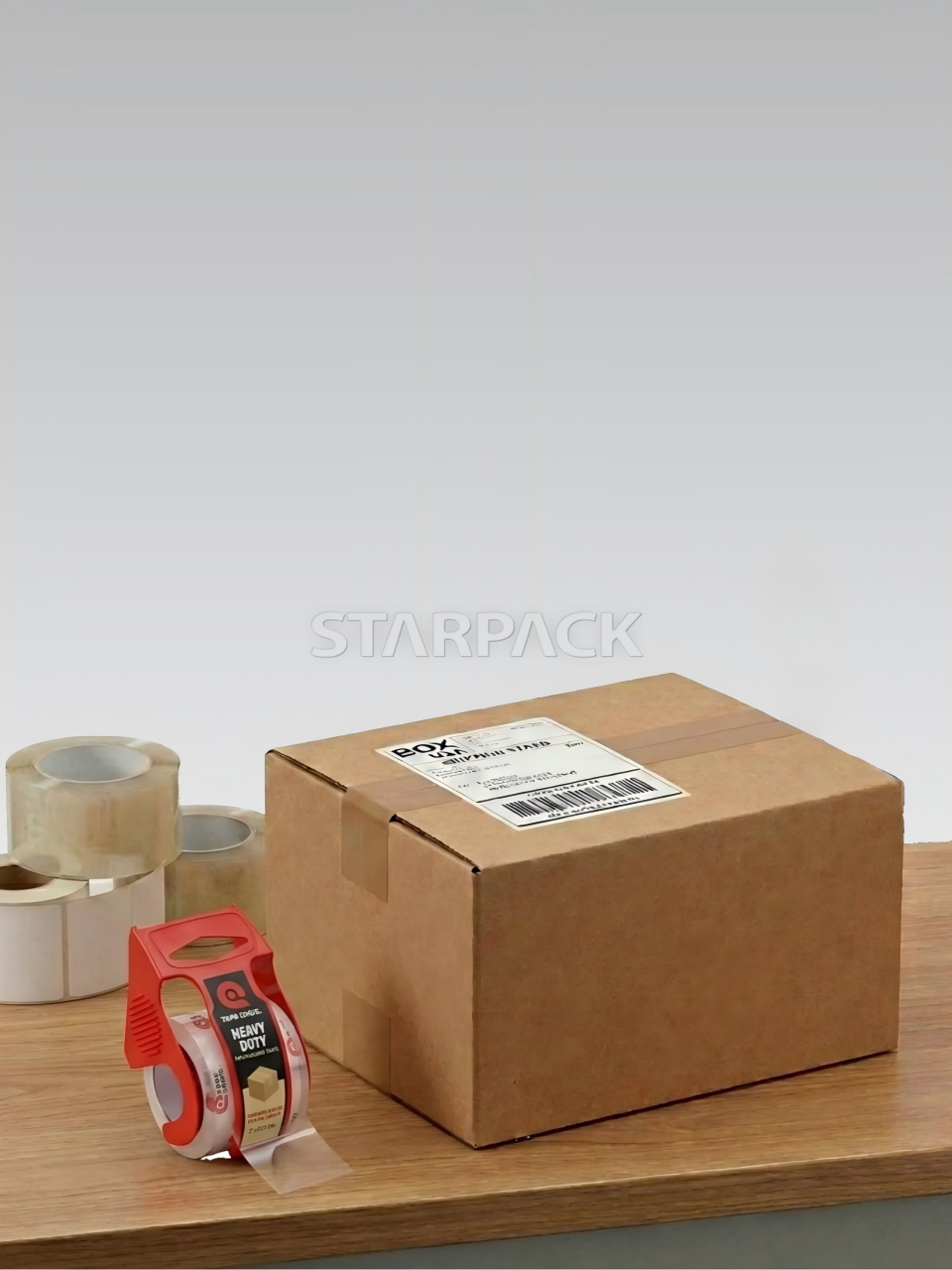
Cartons are rigid packaging containers made from paperboard (primarily corrugated fiberboard) through processes including cutting, creasing, stitching, or gluing. They are the most widely used form of transport packaging. Constructed by bonding linerboards to a fluted corrugated medium, their hollow structure—with 60%–70% of the volume being air—provides excellent cushioning and shock absorption, while remaining lightweight, cost‑effective, and recyclable. Based on the number of paper layers, cartons are classified as single‑wall (3‑ply), double‑wall (5‑ply), and triple‑wall (7‑ply) configurations.
Made from wood fiber, which is naturally biodegradable, and with the majority of used cartons being recyclable into new paper products, corrugated boxes are the preferred choice for green packaging. Over more than half a century of development, corrugated cartons have become the undisputed backbone of transport packaging, extensively serving virtually all consumer goods sectors—including food, electronics, home appliances, pharmaceuticals, and daily necessities.