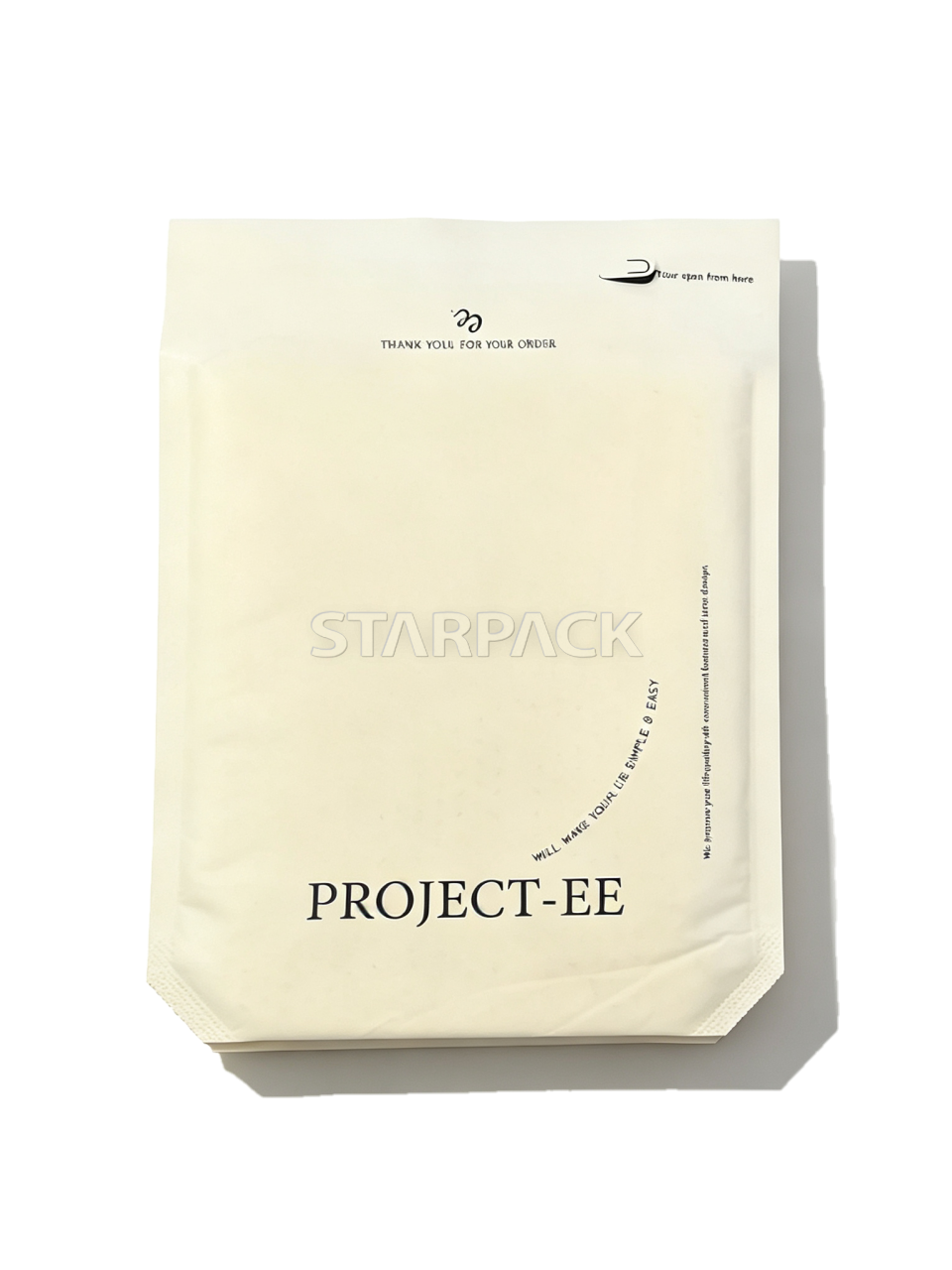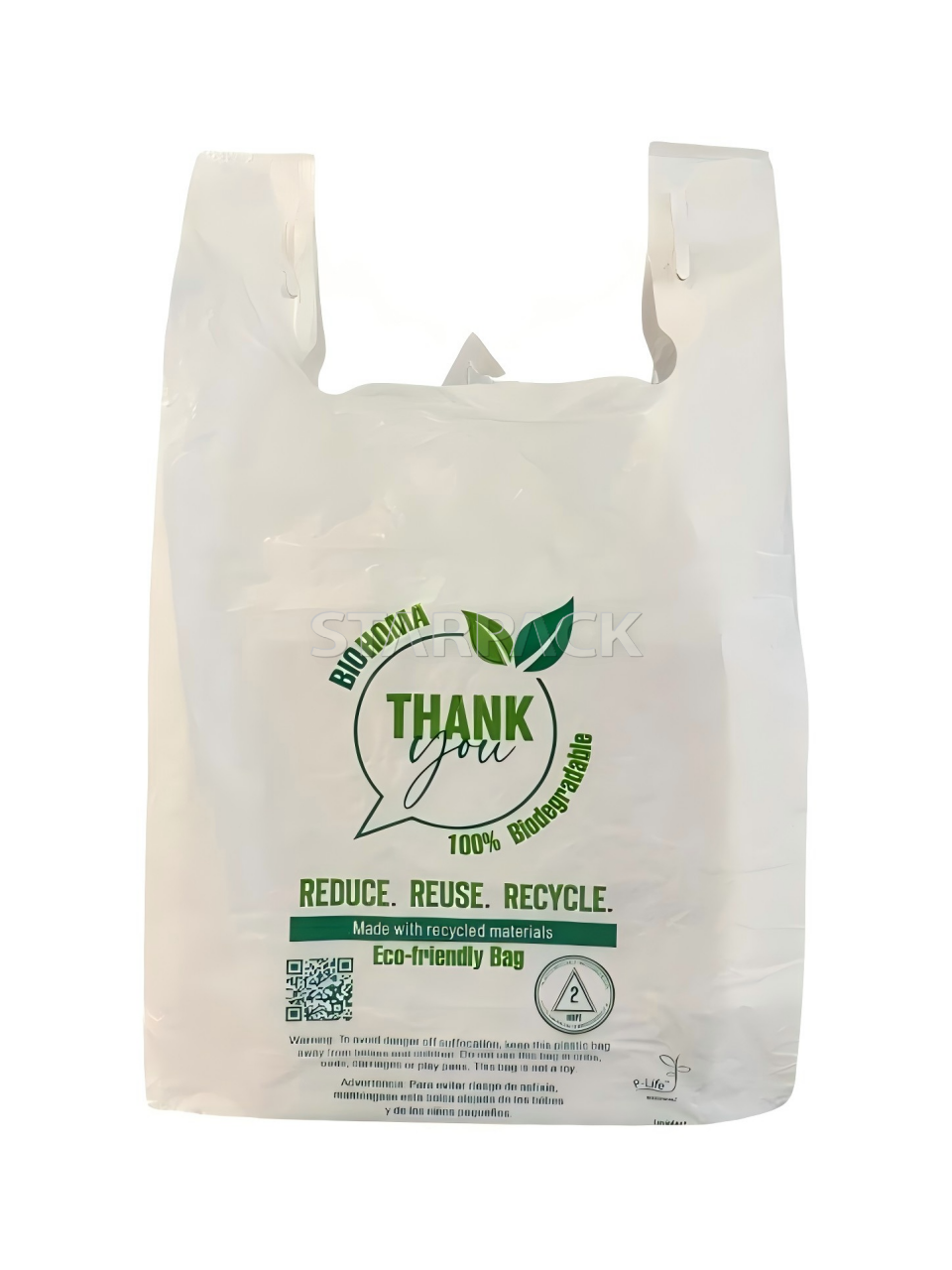
As we progress through 2026, the global shift toward sustainability is accelerating rapidly. The United States, one of the world's largest consumer markets, has reached a critical milestone in its legislative crackdown on single-use plastics.
Historically, many multi-national brands and export manufacturers bypassed local regulations by switching to thicker plastic bags or labeling products as "reusable." However, California's SB 1053, which officially took effect on January 1, 2026, completely eliminated this regulatory loophole. The new law not only bans traditional thin-film bags but also revokes exemptions for the thicker "reusable" plastic bags previously used by retailers.
California is not alone. Twelve states—including New York, Colorado, New Jersey, and Washington—have now enacted stringent, state-wide plastic bans. Furthermore, Virginia’s comprehensive ban on expanded polystyrene (EPS) food service containers is set to take effect this July. The American packaging landscape is facing an unprecedented regulatory compliance test.
Given this complex patchwork of state-level environmental mandates, how can global exporters and North American procurement teams successfully future-proof their operations?
Eliminating "Greenwashing": Global Certifications as the Ultimate Market Passport
In the U.S. market, environmental claims are under heavy scrutiny. Regulatory bodies are aggressively cracking down on "greenwashing" under strict labeling laws, such as California’s SB 343. Today, a product cannot simply claim to be "eco-friendly" or "biodegradable"; it must provide verifiable, fully traceable evidence backed by global standards.
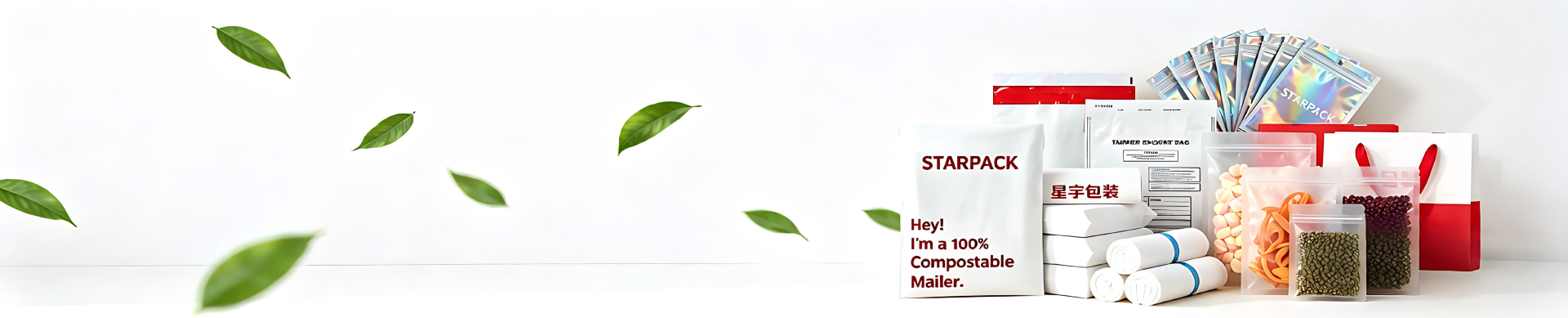
Amid this high-stakes compliance transition, Starpack Solutions has emerged at the forefront of the sustainable packaging sector. As a leading developer of next-generation eco-materials, the company has built a robust regulatory moat with three of the world’s most authoritative certifications:
1. DIN CERTCO (EN 13432 Standard)
Audited by the rigorous German certification body, this credential verifies that Starpack’s materials achieve complete industrial compostability within mandated timeframes—breaking down into carbon dioxide, water, and minerals without leaving any ecotoxic residues in the soil. This seamlessly eliminates technical barriers to international trade.
2. OK Compost (INDUSTRIAL & HOME Dual Certification)
Issued by the prestigious TUV Austria, Starpack holds both the OK Compost INDUSTRIAL and the highly coveted OK Compost HOME certifications. This guarantees that the packaging will fully degrade even in lower-temperature home backyard composting environments, directly addressing a core disposal concern of eco-conscious North American consumers.
3. GRS (Global Recycled Standard)
In addition to compostable innovations, Starpack excels in the circular economy sector via PCR (Post-Consumer Recycled) plastics. Its GRS certification ensures 100% chain-of-custody traceability from raw material sourcing through production to the final shipment. This perfectly aligns with the Extended Producer Responsibility (EPR) mandates being rolled out across various U.S. states, which enforce strict post-consumer recycled content minimums.
Uncompromised Food-Grade Safety: Technical Innovation Meets Mechanical Performance
Food contact packaging—such as grocery produce rolls, takeout containers, and fresh food trays—is the sector hardest hit by single-use plastic bans. For bio-based alternatives, the challenge lies in maintaining absolute environmental compliance while matching the tensile strength, puncture resistance, and barrier properties of legacy plastics—all while ensuring strict food-grade safety.
Leveraging advanced technical support from a top-tier research team at Tsinghua University, Starpack Solutions has achieved significant breakthroughs in bio-resins and specialized compound formulations (such as PLA/PBAT customized blends):
- 100% Food-Grade Compliance: All food-contact formulations are strictly certified to meet global food safety regulations, ensuring they are entirely free of plasticizers, heavy metals, and harmful chemical residues.
- Superior Melt Strength & Equipment Compatibility: To eliminate the operational friction traditional manufacturers face when transitioning to bioplastics, Starpack’s modified granules feature exceptional melt strength and bubble stability. Downstream manufacturers can run these materials smoothly on existing high-speed blown film, flexo, or rotogravure lines with zero machinery modifications, significantly reducing downtime and material waste.
Conclusion
The U.S. plastic bans are no longer a distant regulatory forecast; they represent an immediate shift in market entry requirements for global supply chains. As compliance costs escalate, partnering with a technically verified, fully certified, and reliable material supplier is critical.
Visit starpacksolutions.com to access comprehensive Technical Data Sheets (TDS) or to request free trial samples of our specialized resins and customized eco-packaging solutions. Secure your market share before the green tariff walls rise.