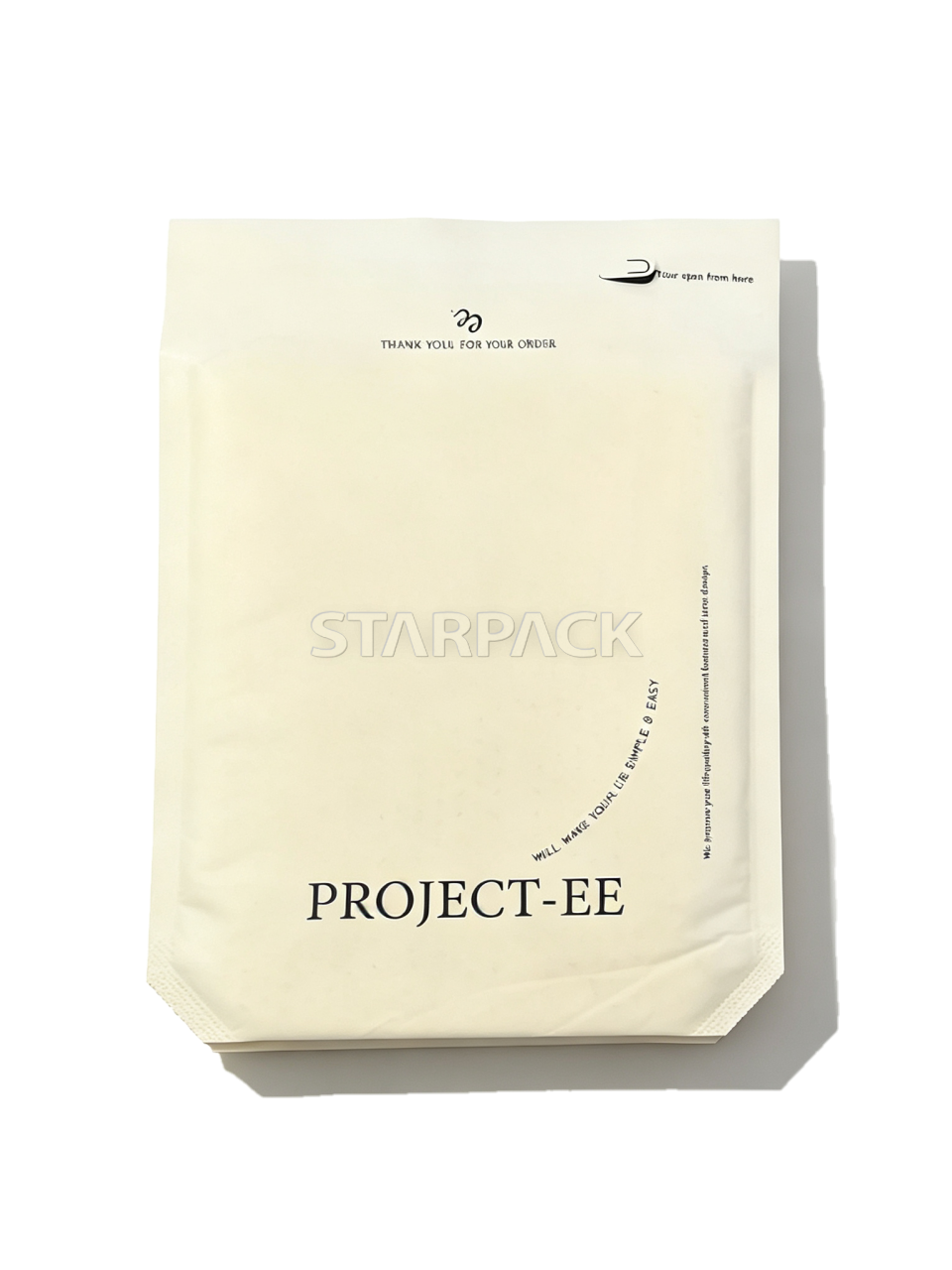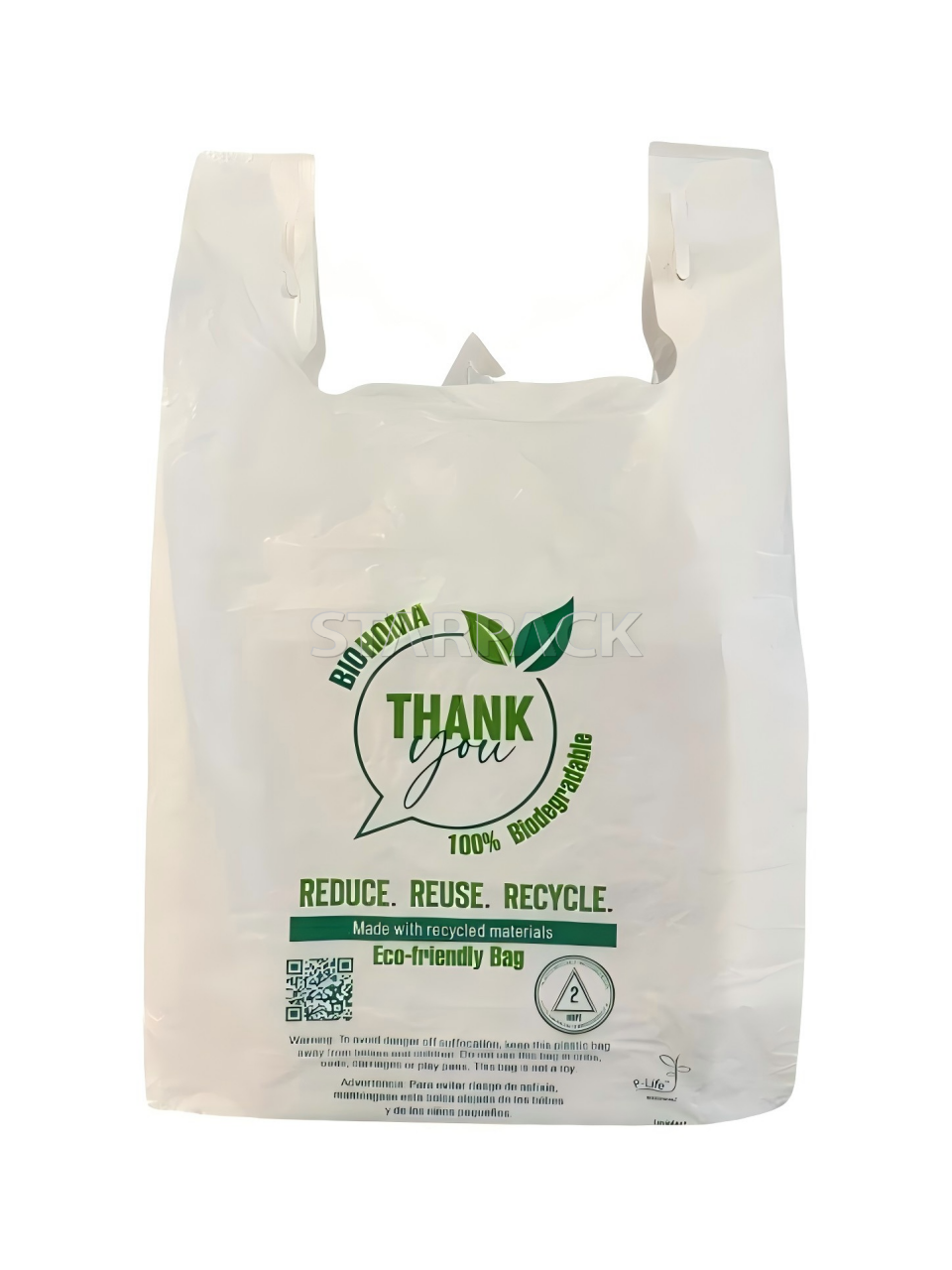

In a groundbreaking advancement for the sustainable packaging industry, STARPACK has achieved triple biodegradability certifications from the Biodegradable Products Institute (BPI), TÜV Rheinland, and Deutsches Institut für Normung (DIN) for its innovative PLA+PBAT composite material. This milestone comes at a critical time as the European Union enforces stringent carbon tariffs on conventional packaging under the Packaging and Packaging Waste Regulations (PPWR), effective July 2024.
Key Achievements
• Regulatory Milestone: Provides a seamless compliance solution for EU’s 15% carbon tariff on non-degradable packaging.
• Technical Breakthrough: Patent-pending molecular enhancement ensures 40% stronger tensile strength and precisely controlled 180-day degradation.
• Commercial Validation: Early adopters report 60% faster customs clearance and 75% reduction in return rates.
Strategic Context
The global packaging industry is undergoing a transformative shift:
• 89% of European consumers now prioritize sustainability in purchasing decisions (Eurostat 2024).
• Cross-border e-commerce sellers face average annual penalties of €18,000 due to non-compliant packaging.
• Demand for certified biodegradable packaging is projected to grow at a 24% CAGR through 2027.
Technical Specifications
Material Science Innovation:
• Base Composition: 70% PLA (derived from corn starch) + 30% PBAT.
• Enhanced Properties:
• Degradation cycle: 90 days (compared to the industry standard of 180+ days).
• Tensile strength: 38 MPa (a 40% improvement over conventional blends).
• Third-Party Verification:
• TÜV Rheinland validates exceptional marine degradation performance.
• DIN and BPI certifications ensure compliance with rigorous international standards.
Production Capacity:
• Annual output of 10,000 tons at an ISO 9001-certified facility.
• 72-hour rapid prototyping service for urgent orders, ensuring agility in meeting client needs.
Market Impact
STARPACK’s certifications are already driving significant benefits for global e-commerce businesses:
• Faster customs clearance reduces logistical delays and costs.
• Enhanced durability minimizes product damage and returns.
• Sustainable credentials align with consumer preferences and regulatory requirements.